
In the fast-paced world of digital commerce, business owners are constantly searching for the next “big thing” to increase their revenue. They jump from one social media platform to another, chasing algorithms that change every week. However, experienced marketers know a secret that remains true year after year: the most reliable path to consistent sales is not through a viral post, but through a well-crafted email. Developing effective email marketing strategies for sales is the closest thing to having a “money button” for your business.
At Choosly, we believe in tools and strategies that offer a high return on investment (ROI). Statistics show that for every dollar spent on email marketing, the average return is around forty dollars. This is not magic; it is the result of direct, personal communication with a group of people who have already expressed interest in what you offer. In this guide, we will move past the basics and explore the advanced email marketing strategies for sales that can transform your email list from a simple list of names into a powerful engine for growth.
The Foundation: Quality Over Quantity
Before you can implement advanced email marketing strategies for sales, you must understand that your list is a collection of humans, not just data points. Many beginners make the mistake of focusing on the size of their list. While a large list is good, a highly engaged small list is much more profitable.
The first step in any successful strategy is ensuring that everyone on your list actually wants to be there. This is why we always recommend a clean opt-in process. When users join your list because they value your content, they are much more likely to open your promotional emails later.
Strategy 1: The Power of Behavioral Segmentation
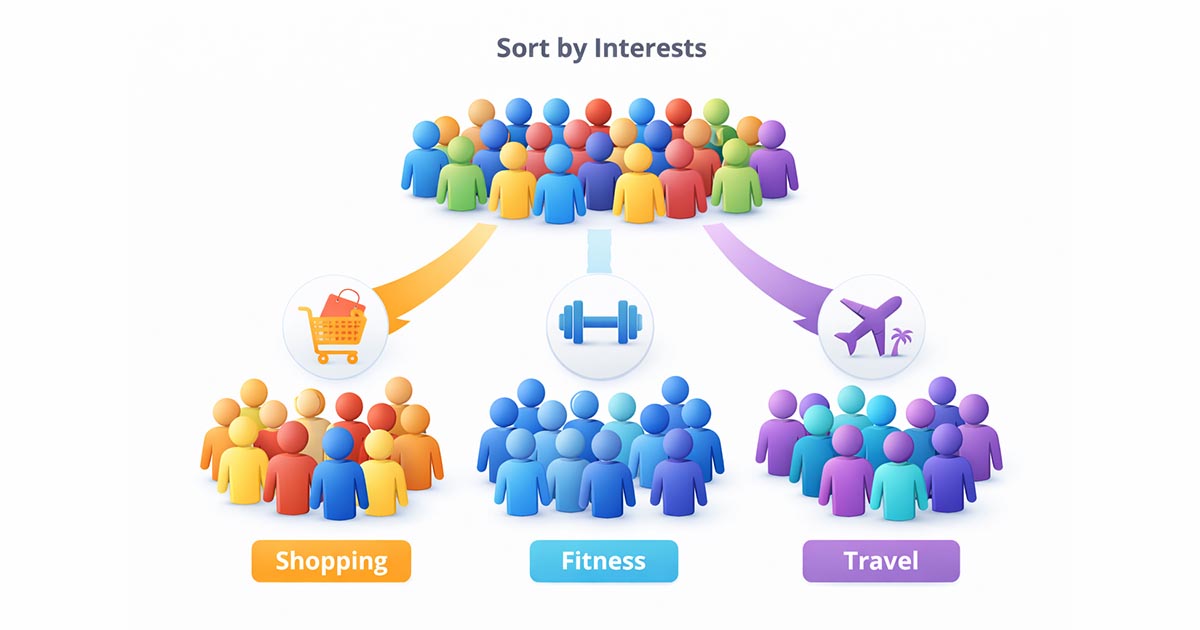
If you send the same email to everyone on your list, you are leaving money on the table. One of the most effective email marketing strategies for sales is segmentation based on behavior. This means grouping your subscribers based on how they interact with your site and your emails.
How to Implement Segmentation:
-
By Purchase History: Send exclusive “thank you” offers to your repeat customers.
-
By Interest: If a subscriber only clicks on links related to “Web Hosting,” stop sending them emails about “Social Media Management.”
-
By Engagement Level: Create a special re-engagement campaign for subscribers who haven’t opened an email in sixty days.
By personalizing the content to the specific needs of each segment, you increase the relevance of your message. High relevance leads to high trust, and high trust leads to sales.
Strategy 2: Mastering the Abandoned Cart Sequence
For e-commerce businesses, the “Abandoned Cart” email is arguably the most profitable of all email marketing strategies for sales. Research shows that nearly 70% of online shoppers add items to their cart but leave without completing the purchase. An automated sequence can recover up to 15% of those lost sales.
The Ideal Three-Email Sequence:
-
The Reminder (Sent after 1 hour): A friendly nudge. “Did you forget something?” Sometimes a simple technical glitch or a distraction is the only reason they didn’t buy.
-
The Objection Killer (Sent after 24 hours): Answer common questions. Mention your money-back guarantee or share a customer testimonial. This addresses the “fear” of buying.
-
The Final Incentive (Sent after 48 hours): Offer a small discount or free shipping that expires in a few hours. This creates urgency and provides a reason to act now.
Strategy 3: The “Value-First” Content Loop
Nobody likes a friend who only calls when they need a favor. The same applies to brands. If every email you send is a “Buy Now” pitch, your subscribers will eventually tune you out or hit the unsubscribe button. A sustainable email marketing strategy for sales follows the 80/20 rule: 80% value and 20% promotion.
Providing Value Without Selling:
-
Educational Guides: Share a “How-to” article related to your niche.
-
Industry Insights: Tell them about a new trend that might affect their business.
-
Curation: Send a weekly list of the best resources you found online.
When you provide consistent value, you become a “trusted advisor” rather than a “pushy salesperson.” When you finally do make a pitch, your audience is much more receptive because you have built up “emotional credit” with them.
Comparing Popular Email Marketing Strategies
To help you choose the right path for your business, we have prepared a comparison of the most common approaches.
| Strategy Name | Difficulty | Potential ROI | Best For |
| Welcome Sequence | Low | High | Every business type |
| Abandoned Cart | Medium | Very High | E-commerce / SaaS |
| Weekly Newsletter | Medium | Steady | Personal Brands / Bloggers |
| Segmented Product Launches | High | Explosive | Established Businesses |
| Strategy | Pros | Cons |
| Automation | Saves time; Works 24/7 | Requires technical setup |
| Personalization | Higher open rates; Better trust | Needs high-quality data |
| Flash Sales | Immediate cash flow | Can devalue brand if overused |
| Content Curation | Easy to produce; High value | Doesn’t drive direct sales quickly |
Strategy 4: High-Converting Copywriting Techniques
You can have the best technical setup, but if your words are boring, your email marketing strategies for sales will fail. Great email copy is not about being “clever”; it is about being “clear.”
The Anatomy of a Sales Email:
-
The Subject Line: Your only job here is to get the email opened. Use curiosity or a direct benefit. For example: “The one tool we can’t live without” vs “Check out our latest review.”
-
The Hook: The first sentence should grab their attention immediately. Start with a question or a surprising fact.
-
The Story: Humans are wired for stories. Instead of listing features, tell a story about a customer who solved a problem using your product.
-
The Call to Action (CTA): Be very specific. Instead of saying “Click here,” try “Start your free trial now” or “Claim your 20% discount.”
Strategy 5: A/B Testing for Continuous Improvement
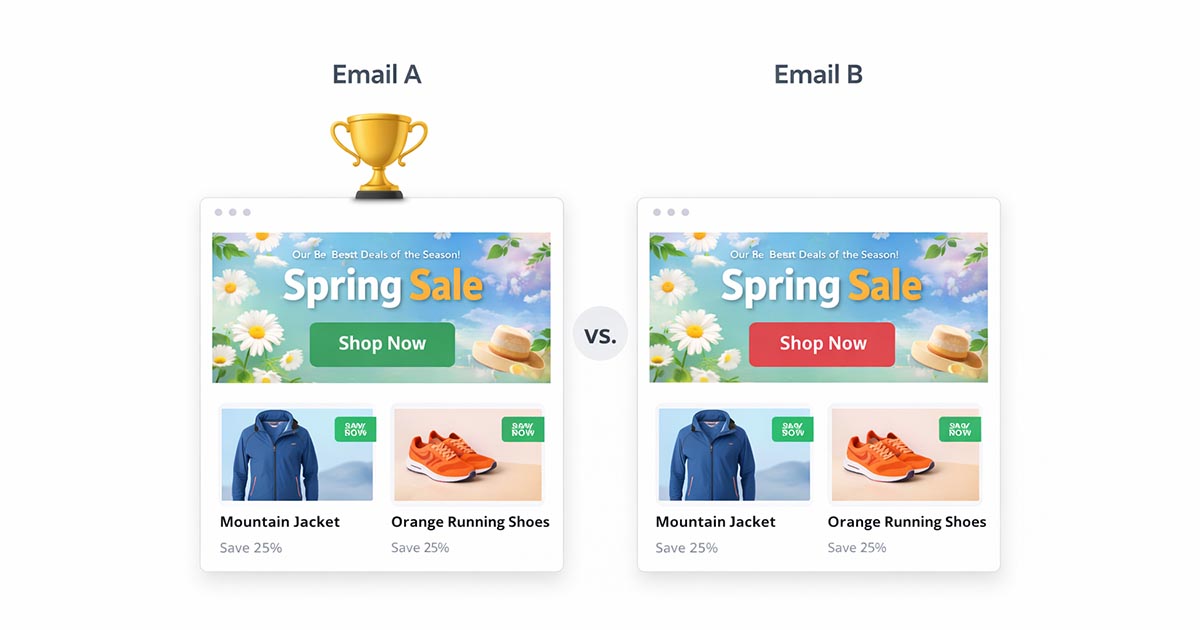
The digital world is always changing, and what worked last year might not work today. Professional marketers use A/B testing (or split testing) to refine their email marketing strategies for sales. This involves sending two slightly different versions of an email to a small portion of your list to see which one performs better.
What should you test?
-
Subject Lines: Test a “How-to” subject line against a “Secret” subject line.
-
Sender Name: Test your “Company Name” against a “Personal Name” (e.g., “Sarah from Choosly”).
-
Email Length: Test a short, punchy email against a longer, story-driven one.
-
Images vs. Plain Text: Surprisingly, sometimes simple plain-text emails outperform fancy designs.
Managing Your List Health
Even the most brilliant email marketing strategies for sales will fail if your emails are going to the spam folder. List hygiene is a critical part of the process. Every six months, you should remove “cold” subscribers who haven’t opened an email in a long time.
While it hurts to see your subscriber count go down, it actually helps your business. A cleaner list means better deliverability and higher engagement rates. This signals to email providers like Gmail that your content is valuable, ensuring that your emails continue to land in the primary inbox of your active fans.
Final Verdict: Start Simple, Grow Fast
The world of email marketing is vast, and it is easy to feel overwhelmed. Our advice at Choosly is to start with the basics. Set up a great welcome sequence and a simple newsletter. Once those are running smoothly, you can begin to layer on more complex email marketing strategies for sales like behavioral segmentation and A/B testing.
Remember, the goal is not to be perfect; the goal is to be helpful. If you focus on solving your audience’s problems, the sales will naturally follow. Email marketing is a long-term game of building relationships, and those who play it well will always find success in the digital marketplace.