
Let’s be honest: the days of hiring expensive film crews and spending months in post-production are effectively over. Today, you can take a single line of text and turn it into a cinematic scene or a professional presenter who speaks 120 languages without missing a beat. It feels like magic, but as the market gets flooded with these “miracle” tools, it’s getting harder to tell the difference between a shiny viral toy and a real professional workhorse.
This is why we decided to put together this Sora vs HeyGen vs Synthesia: A Comprehensive Review. We’ve spent a lot of time lately inside their virtual studios to see which ones actually deliver when the pressure is on. At Choosly, we know how exhausting the AI hype can be. If you’re just looking for a tool that actually scales your content without draining your budget or your sanity, our team has done the heavy lifting for you. Here is what we found.
At a Glance: Features & Pricing Comparison
| Feature | OpenAI Sora | HeyGen | Synthesia |
| Output Type | Cinematic / B-Roll | Viral Marketing / Sales | Educational / Corporate |
| AI Personalities | No (Scenic Only) | Yes (Ultra-Realistic) | Yes (Steady & Professional) |
| Video Length | Short Clips (60s) | Credit-Based | Project-Based |
| Starting Price | $20 (via ChatGPT) | $29 / month | $22 / month |
| Our Pick | Creative Artists | Content Creators | Training Teams |
Technology Deep Dive: Reality vs. Utility
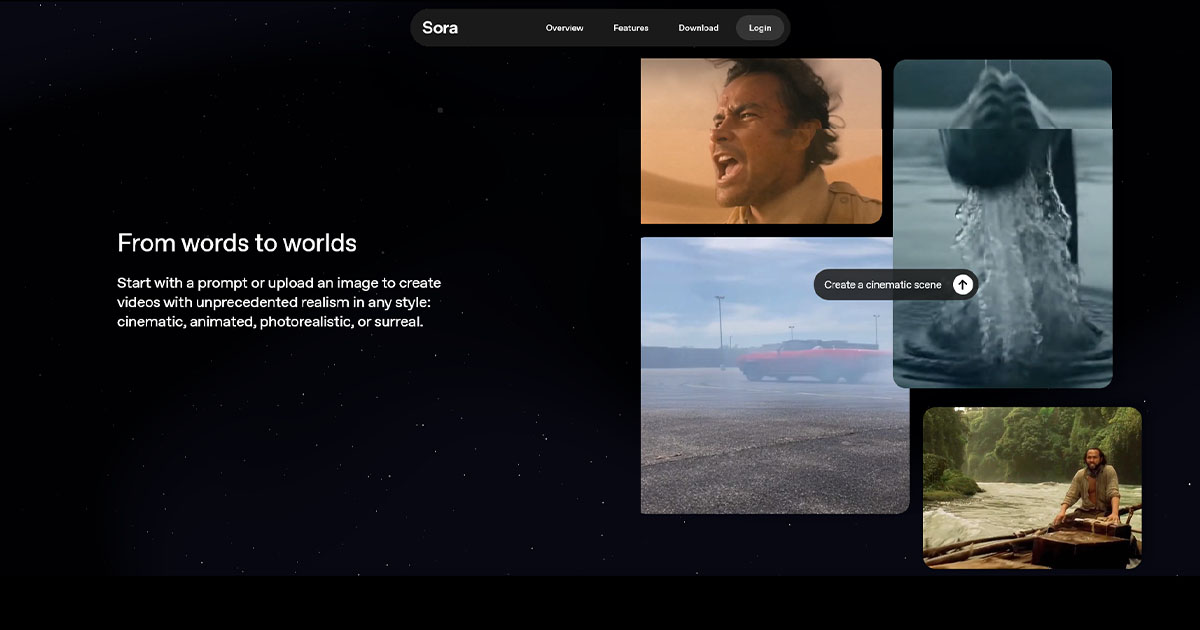
When we tested Sora, it felt like having a Hollywood director in our pocket. The physics and lighting it generates are unparalleled. However, it is a “silent movie” tool; it’s perfect for background visuals but lacks the human interaction needed for a business presentation.
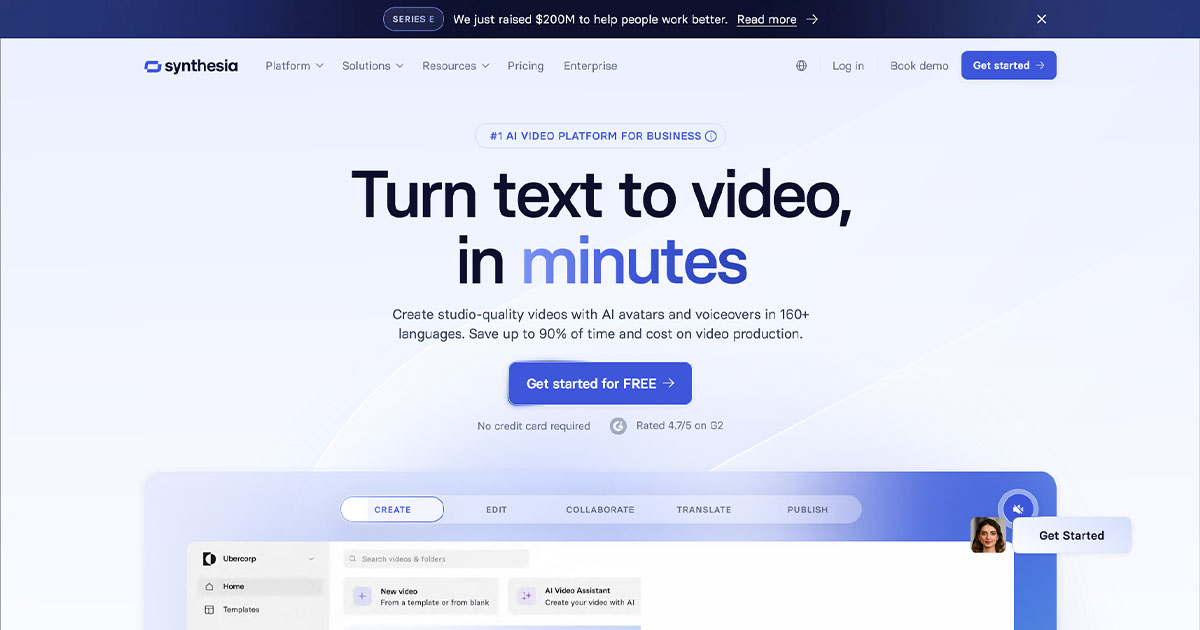
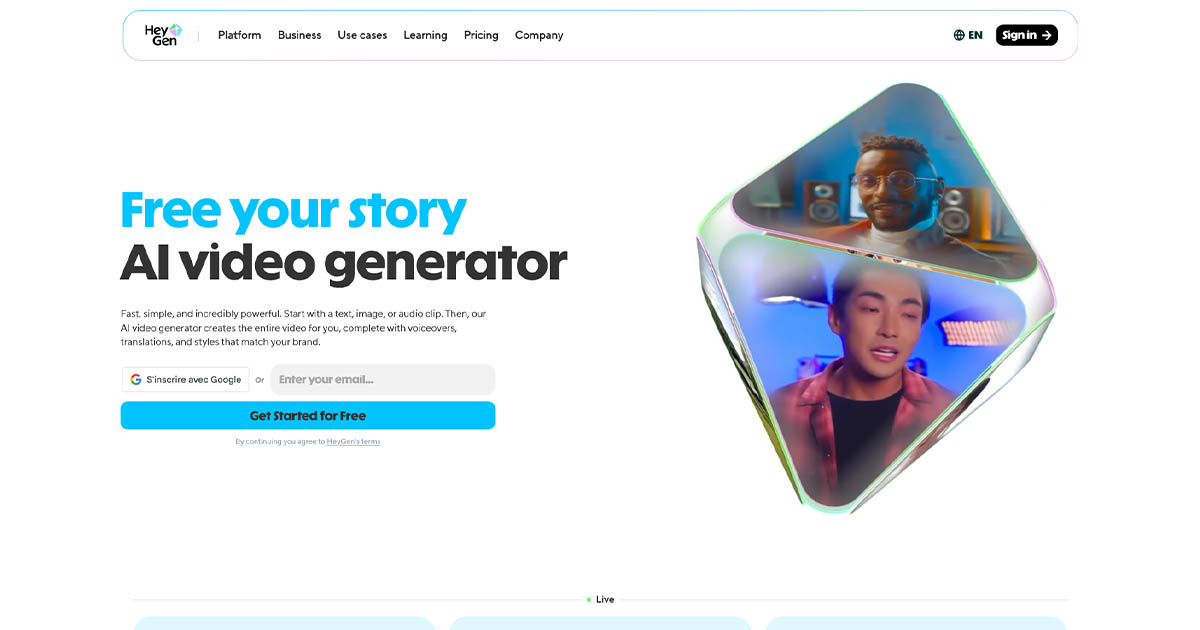
Synthesia and HeyGen, conversely, are the “anchors” of the AI world. HeyGen blew us away with its “Avatar 3.0” technology, where the lip-syncing and body language are almost indistinguishable from a real human. Synthesia remains the most stable platform for structured learning, offering an interface that feels more like a video editor than a prompt box.
Sora vs HeyGen vs Synthesia, Pros and Cons: A Realistic Look
OpenAI Sora
Pros
- Unmatched cinematic detail
- Understands complex physics
- Fast generation for b-roll
Cons
- No lip-syncing or direct talking
- High unpredictability in outputs
- Subscription access can be limited
HeyGen
Pros
- Industry-leading realism
- Instant “Digital Twin” creation
- Perfect for personalized ads
Cons
- Expensive if you produce high volume
- Interface has a learning curve
- Pricing can be confusing
Synthesia
Pros
- Rock-solid for long courses
- Massive library of templates
- Predictable monthly costs
Cons
- Avatars can feel a bit robotic
- Not meant for artistic filmmaking
- Restricted “creative” freedom
The Decision: Sora vs HeyGen vs Synthesia, Which One Fits Your 2026 Strategy?
The “best” tool depends entirely on what you want your audience to feel.
In this Sora vs HeyGen vs Synthesia: A Comprehensive Review, we found that if you want to wow your followers on TikTok with impossible visuals, Sora is your best bet. If you want to build a personal brand without being on camera, HeyGen is the superior choice. However, if your goal is to transform a 50-page manual into an engaging video course, our team highly recommends Synthesia.
Frequently Asked Questions (FAQ)
Sora vs HeyGen vs Synthesia, Which tool is best for voice-overs?
Both HeyGen and Synthesia offer world-class voice cloning. In our tests, HeyGen’s emotional range in voices felt slightly more natural for marketing.
Can I use Sora for commercial ads?
Yes, but since it doesn’t feature specific human characters that can speak, you will likely need to edit it together with a voice-over or another AI tool.
Is AI video generation expensive in 2026?
It is significantly cheaper than a real shoot. While $20-$30 a month sounds like a lot, we found it replaces thousands of dollars in equipment and talent fees.