
Klaviyo Review: Is It Worth It?
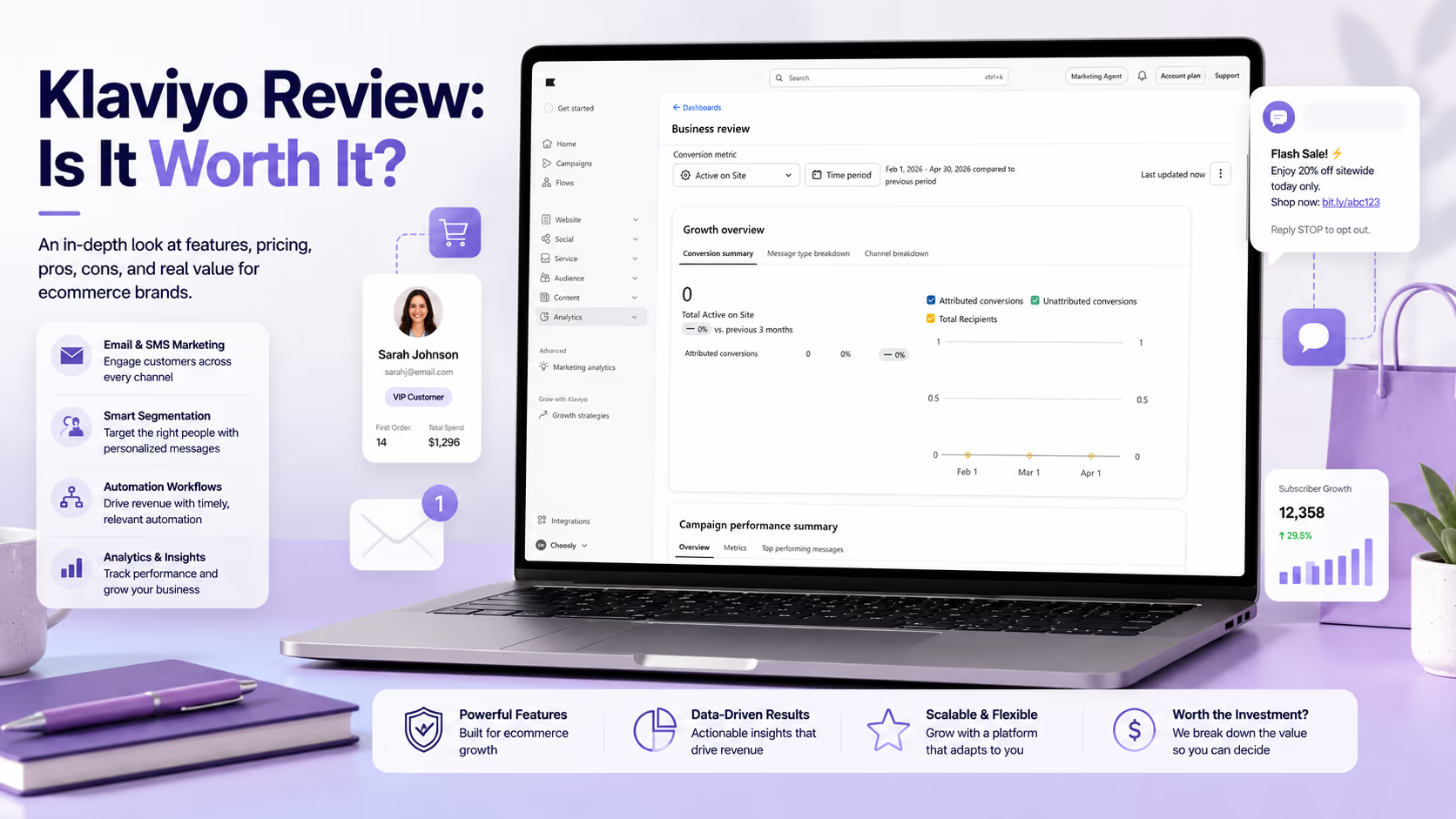
In this Klaviyo review, we are looking at one of the most popular marketing platforms for ecommerce brands, especially stores that want email, SMS, customer data, automation, and reporting in one place.
Klaviyo has grown from an email marketing tool into what the company now calls a B2C CRM and AI marketing platform. According to Klaviyo, it brings customer data together and helps brands automate email, SMS, RCS, WhatsApp, mobile push, and other customer messages from one platform.
That sounds powerful, but it also raises a fair question: is Klaviyo really worth it for most businesses, or is it more than some teams need?
Our honest answer is that Klaviyo is very strong for ecommerce brands that care about customer behavior, repeat purchases, segmentation, abandoned cart flows, and revenue tracking. It is not the cheapest option, and it can feel heavy for a simple newsletter. But for stores that want serious lifecycle marketing, Klaviyo is one of the most capable tools in the market.
What Klaviyo Is
Klaviyo is a marketing automation platform built around customer data. Instead of only helping you send newsletters, it lets you build campaigns and automated flows based on what people do.
For example, you can send different messages to people who viewed a product, started checkout, bought once, bought three times, stopped engaging, or are predicted to buy again.
Klaviyo supports email, SMS, RCS, WhatsApp, mobile push, reviews, social marketing, and web events as part of its broader platform. It also connects with ecommerce platforms and other tools. Klaviyo says it has more than 350 integrations, including ecommerce, payment, CRM, analytics, and messaging tools.
The main idea is simple: connect your store data, understand your customers, and send better messages based on real behavior.
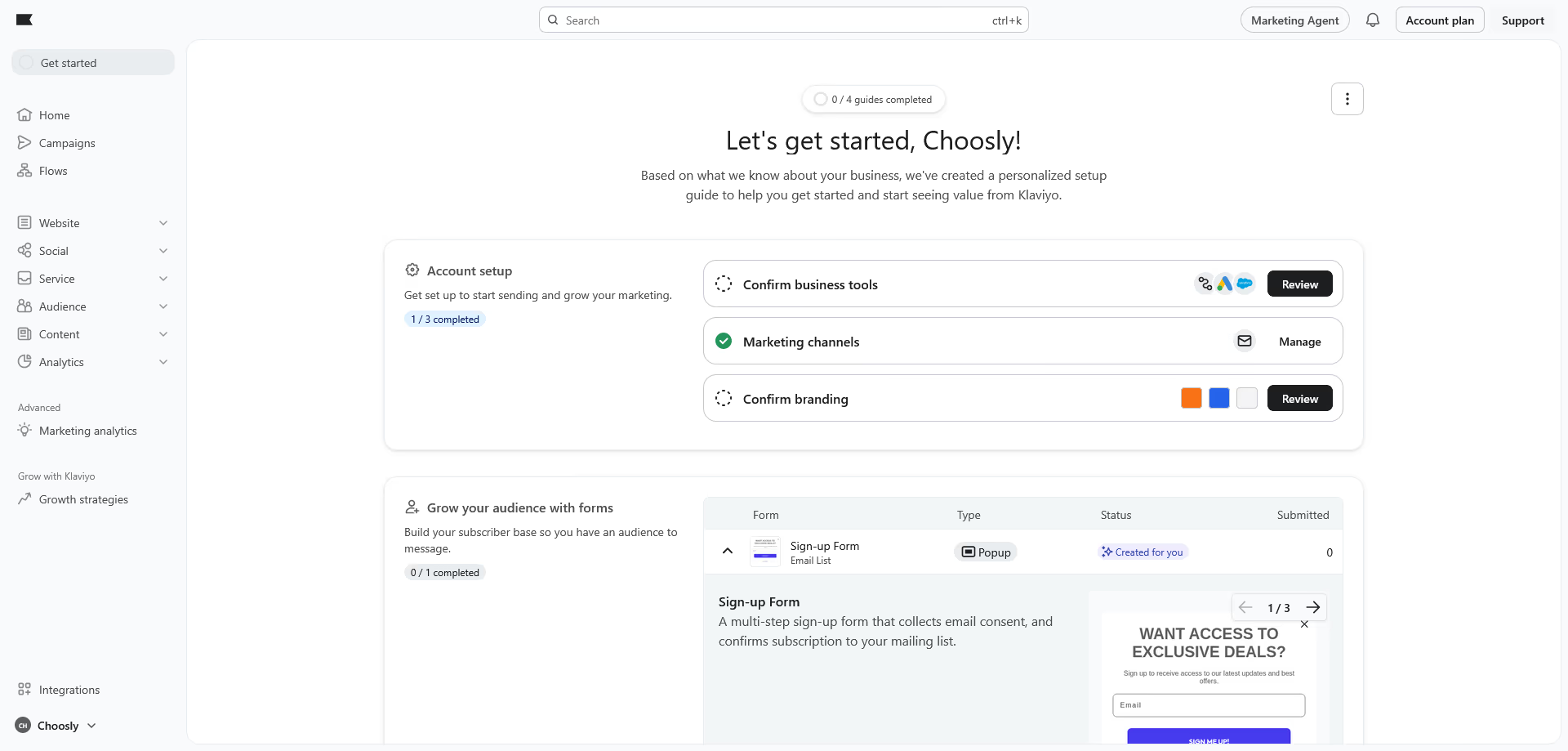
Who Klaviyo Is Best For
Klaviyo is best for businesses that already have customer activity data and want to use it more intelligently.
It is especially useful for:
Ecommerce stores on platforms like Shopify, WooCommerce, Wix, or similar systems
Direct to consumer brands that rely on repeat purchases
Stores with abandoned cart, post purchase, win back, and VIP customer flows
Teams that want email and SMS campaigns in one platform
Brands that need stronger segmentation than basic email tools provide
Growing businesses that want revenue reporting tied to marketing activity
Klaviyo is less ideal for:
Creators who only need a basic newsletter
Very small businesses with limited sending needs
Teams that want the lowest possible monthly cost
Users who dislike detailed setup work
Businesses without ecommerce or behavioral data to use
If you only want to send a monthly update to a small list, Klaviyo may feel like too much. If you want automated revenue flows based on customer behavior, it becomes much more valuable.
Key Features
Email Marketing
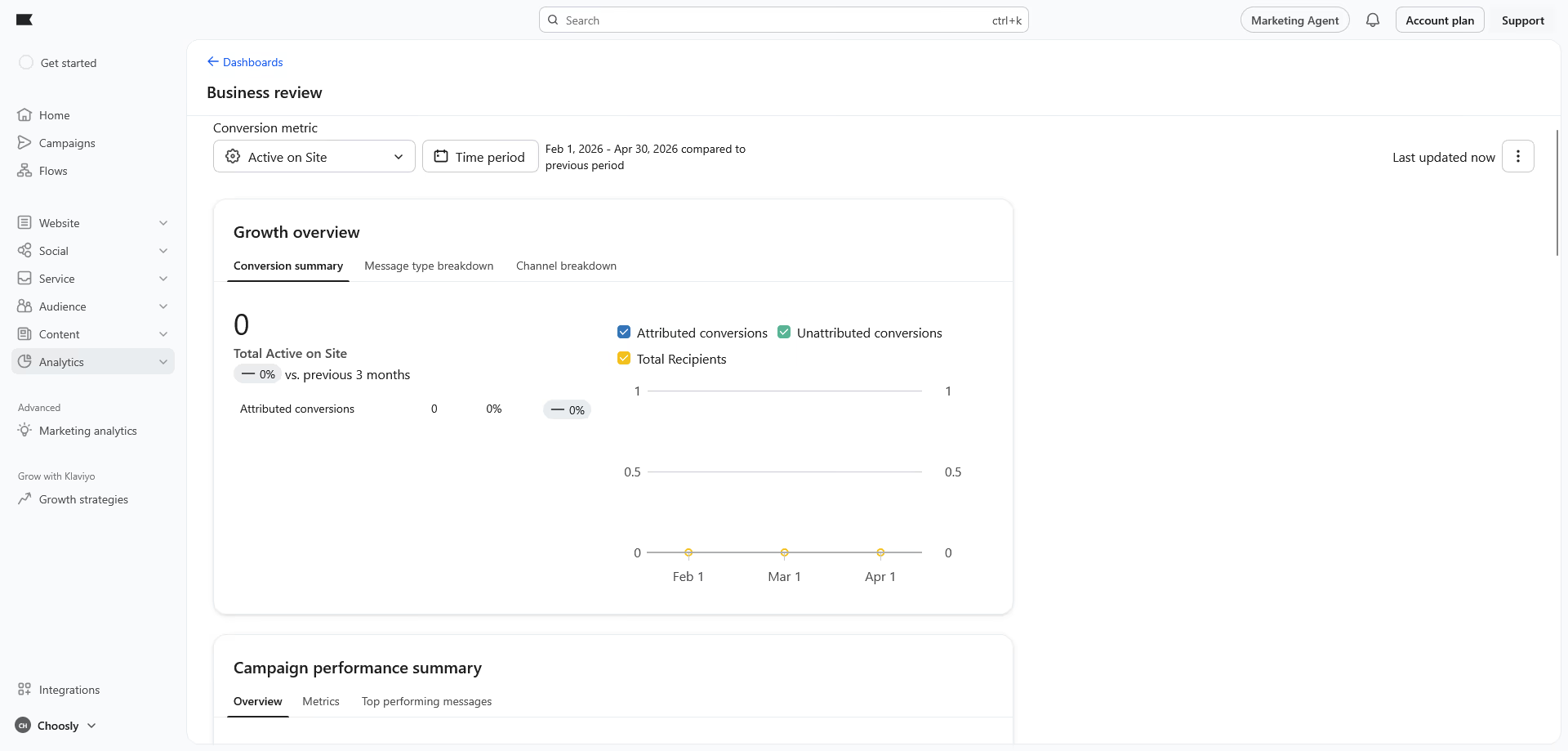
Klaviyo includes a visual email builder, templates, segmentation, campaign scheduling, and reporting. On the free plan, Klaviyo lists basic email templates, a drag and drop editor, campaign performance metrics, built in reporting, and revenue attribution among the included tools.
The email builder is useful for everyday campaigns such as:
Product launches
Sale announcements
Abandoned cart reminders
Post purchase education
Customer win back campaigns
VIP customer offers
What makes Klaviyo email marketing stronger than basic newsletter tools is the data behind it. A store can send a campaign only to people who bought a certain product, spent over a certain amount, clicked a certain email, or have not purchased in months.
Automation Flows
Automation is one of Klaviyo’s biggest strengths.
Klaviyo says its automation can trigger when customers join a list, enter a segment, make a purchase, or take another action. It can also use connected data from integrations and webhooks to support real time workflows.
Practical examples include:
A welcome flow for new subscribers
An abandoned cart flow for shoppers who leave checkout
A browse abandonment flow for product viewers
A post purchase flow with usage tips
A cross sell flow based on previous orders
A win back flow for inactive customers
A VIP flow for high value customers
We like Klaviyo most when it is used for these lifecycle journeys. A one time campaign is useful, but the real value comes from automated flows that keep working after setup.
Segmentation
Segmentation is another area where Klaviyo stands out.
Klaviyo’s own documentation says segments are dynamic, meaning customers can enter or leave a segment automatically as they meet or stop meeting the conditions. Klaviyo can combine data from email behavior, website activity, third party tools, purchase history, loyalty programs, and more.
That matters because customer behavior changes constantly. Someone who was inactive last month may buy today. Someone who was a first time buyer may become a repeat buyer next week. Dynamic segmentation helps your marketing adjust without constant manual list updates.
SMS and Mobile Messaging
Klaviyo supports mobile messaging, including SMS, MMS, WhatsApp, and other mobile channels as part of its billing structure. Klaviyo says mobile messaging plans depend on message credits, and the number of credits needed depends on subscriber location, message type, and message segments.
This is important because SMS pricing can be harder to estimate than email. A simple text to one country may use fewer credits than a longer message, MMS, or message to another region.
For ecommerce stores, SMS can work well for:
Flash sale alerts
Back in stock messages
Cart recovery
Shipping updates
Time sensitive offers
VIP reminders
Still, SMS needs care. People usually expect fewer text messages than emails. We would use SMS for high intent or urgent moments, not for every campaign.
Customer Data and Profiles
Klaviyo is built around customer profiles. Each profile can include email, phone number, purchase history, activity, consent, engagement, and other data.
This is useful because marketers can see more than a name and email address. They can understand what someone did, what they bought, how recently they engaged, and where they may be in the customer journey.
Klaviyo’s billing also depends heavily on active profiles. Klaviyo defines active profiles as profiles that can be emailed through Klaviyo, including subscribers and people added through general engagement such as checkout activity.
That is helpful for targeting, but it also affects cost. If your store collects many checkout emails from people who never subscribe or engage, your active profile count can grow faster than your real marketing audience.
Analytics and Reporting
Klaviyo includes built in reporting and dashboards on its free plan, along with campaign performance metrics, contact growth tracking, revenue attribution, engagement rates, and click through rates.
For ecommerce brands, revenue attribution is especially useful. It helps teams understand which flows and campaigns are contributing to sales.
That said, attribution should always be read carefully. No email platform can perfectly explain every customer decision. A customer may see an ad, read a review, get an email, search Google, and then buy. Klaviyo’s reporting is useful, but it should support judgment rather than replace it.
AI Features
Klaviyo now puts more focus on AI. Its official site mentions AI agents, AI campaign generation, campaign personalization, and tools that help optimize customer interactions.
On the free plan, Klaviyo lists an AI powered subject line generator and a Marketing Agent for campaign creation.
These tools can save time, especially for small teams. But we would still review every AI generated message before sending. Brand voice, offer clarity, compliance, and customer trust still need a human eye.
Klaviyo Pricing and Plans
Klaviyo pricing deserves careful attention because the cost depends on your active profiles, email sends, and mobile messaging usage.
Verified Free Plan Details
Klaviyo’s official pricing page confirms a free plan with:
Plan item | Verified detail |
|---|---|
Cost | $0 USD |
Profiles | Up to 250 active profiles |
Email sends | 500 emails per month |
Mobile message credits | 150 mobile message credits per month |
Included tools | Customer Hub, built in reporting, basic templates, drag and drop editor, basic segmentation, campaign metrics |
Support | Email support for the first 60 days |
These limits are listed on Klaviyo’s official pricing page and Help Center.
Klaviyo says the free plan can be used indefinitely as long as the account stays within the active profile and monthly email send limits. If the account exceeds those limits, sending may be restricted until the next billing cycle or until the user upgrades.
Paid Plan Structure
The official Help Center explains that Klaviyo Profile and Email plans are based on both active profiles and emails sent during the current billing cycle. Klaviyo also says the billing plan must cover the number of active profiles in the account, or the account may be moved to a compliant plan in the next billing cycle.
Klaviyo also states that email send limits are ten times the maximum number of profiles in the plan. For example, a plan that allows 500 profiles can send up to 5,000 emails to those profiles.
We could verify the free plan and billing logic from official pages. We could not verify a full public paid pricing table from the accessible official page text because paid pricing appears to be handled through Klaviyo’s live plan builder. For that reason, readers should check the live Klaviyo pricing calculator before buying.
Check Klaviyo pricingSupport and Branding Differences
There are also important differences between free and paid plans.
Klaviyo says free users get email support for the first 60 days. After that, they can use community and education resources. Paid users get access to email and chat support.
Klaviyo also says free email accounts include Klaviyo branding in email footers, and free accounts include Klaviyo branding at the bottom of signup forms. Removing or editing that branding requires a paid account.
Discount Note
At the time of review, Klaviyo’s official pricing page showed a “Service 30% OFF” label in the pricing area. However, the accessible page text did not provide enough detail about terms, eligibility, duration, or region. We would not treat that as a guaranteed discount without confirming it inside Klaviyo’s live checkout or with sales.
Pros and Cons
Pros
Strength | Why it matters |
|---|---|
Strong ecommerce automation | Klaviyo is excellent for abandoned cart, welcome, post purchase, win back, and repeat purchase flows. |
Deep segmentation | Dynamic segments help brands target customers based on behavior, purchase history, engagement, and predicted actions. |
Email and SMS together | Brands can coordinate campaigns across multiple channels instead of managing separate tools. |
Useful revenue reporting | Teams can see which campaigns and flows are connected to sales. |
Good ecommerce integrations | Klaviyo connects with major ecommerce platforms and many other tools. |
Free plan available | Small brands can test the platform before committing to a paid plan. |
Cons
Weakness | Why it matters |
|---|---|
Pricing can rise with list growth | Active profile based billing means inactive or low value contacts can affect cost if not managed. |
Not ideal for basic newsletters | Businesses that only need simple email sending may find Klaviyo more complex than necessary. |
SMS costs need planning | Mobile message credits vary by country, message type, and message length. |
Learning curve | Flows, segments, attribution, and profile management take time to understand. |
Free plan support is limited | Free users only get email support for the first 60 days. |
Paid prices need live checking | The official public page verifies the free plan clearly, but exact paid totals should be confirmed in the live plan builder. |
Real Use Cases
New Ecommerce Store
A new Shopify or WooCommerce store can start with basic flows:
Welcome series
Abandoned cart reminder
First purchase thank you email
Product review request
Simple monthly campaign
The free plan can be enough for testing if the store has up to 250 active profiles and 500 monthly email sends. Once the store grows, it will likely need a paid plan.
Growing Direct to Consumer Brand
A growing brand can use Klaviyo for more advanced customer journeys.
For example, a skincare brand could segment customers by skin concern, product purchased, last purchase date, and predicted next order date. Then it could send educational content, replenishment reminders, cross sells, and win back messages.
This is where Klaviyo becomes more valuable than a basic email tool.
Store With Repeat Purchases
Klaviyo is especially useful for brands that depend on repeat buying.
Examples include:
Supplements
Beauty products
Coffee
Pet products
Apparel
Home goods
Subscription friendly products
If the product has a natural reorder cycle, Klaviyo can help send the right reminder at the right time.
Brand Using Email and SMS Together
A fashion store could send a product launch email first, then follow up with SMS only to VIP customers or people who clicked but did not buy.
This is a better approach than blasting every contact on every channel. It respects customer attention and can reduce wasted sends.
User Experience
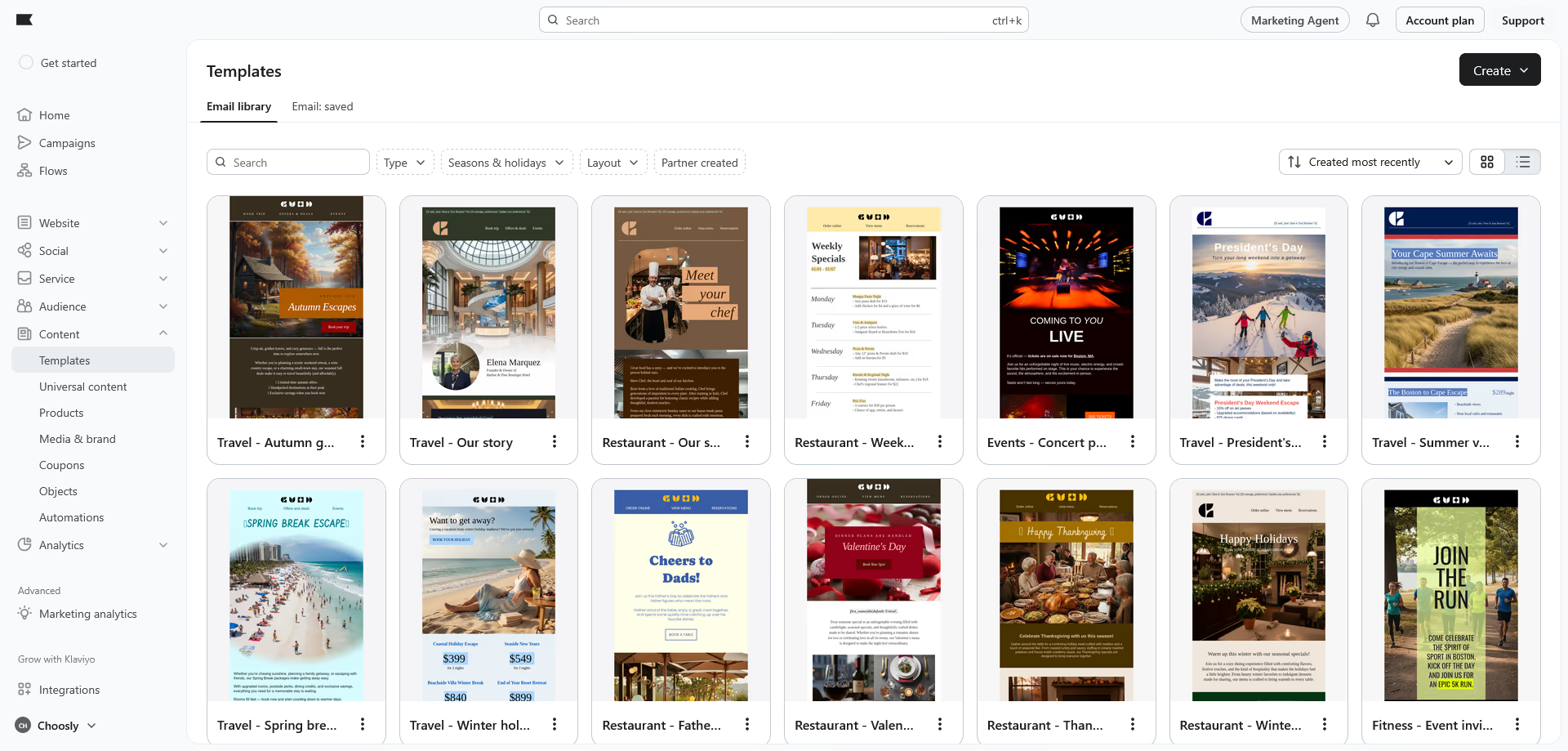
Klaviyo’s interface is modern and feature rich. For experienced marketers, that is a benefit. For beginners, it can feel busy at first.
The flow builder is one of the strongest parts of the experience. It gives teams a visual way to build customer journeys. You can add triggers, filters, time delays, emails, SMS steps, and splits.
The segmentation builder is also powerful, but it takes practice. New users should start with simple segments before building complex conditions.
Our practical advice is to start with the basics:
Connect your ecommerce store
Import contacts carefully
Set up consent correctly
Create a welcome flow
Create an abandoned cart flow
Create a post purchase flow
Review reporting after several weeks
Clean or suppress inactive profiles carefully
Klaviyo can do a lot, but doing everything at once can lead to messy flows and confusing reports.
What Makes Klaviyo Different
The main difference is how closely Klaviyo connects marketing messages with customer behavior.
Many email tools can send campaigns. Klaviyo is stronger when you want messages based on actions, purchase history, product interest, customer value, and engagement.
Its dynamic segmentation is a major advantage. Segments can update as people qualify or stop qualifying, which reduces manual list work.
The platform also combines email, SMS, mobile channels, customer data, analytics, service tools, and AI features under one broader system. That can reduce tool sprawl for teams that want one central customer marketing platform.
For ecommerce, this combination is powerful. You are not just sending emails. You are building customer journeys around real shopping behavior.
Possible Drawbacks
Cost Can Grow Quickly
Klaviyo can become expensive as your active profile count grows. This is not just about subscribers. Klaviyo says active profiles include any profile that can be emailed through Klaviyo, including people added through checkout or general engagement.
That means a store should manage inactive profiles carefully. Klaviyo says suppressed profiles do not count toward the billing plan’s profile count, but it also warns that suppressing too early can create potential revenue loss because those contacts can no longer be nurtured toward conversion.
The best approach is not to delete or suppress people randomly. Use engagement data, purchase behavior, and a sunset flow before removing profiles from marketing reach.
It May Be Too Much for Simple Email Needs
Klaviyo is not the simplest platform for someone who only wants a newsletter.
If you do not need ecommerce triggers, advanced segments, SMS, revenue attribution, or lifecycle automation, a simpler tool may be easier and cheaper.
Setup Quality Matters
Klaviyo is only as good as the strategy behind it.
Poor segmentation, weak email copy, messy data, and too many messages can still lead to poor results. The platform gives you strong tools, but it does not automatically create a good marketing strategy.
SMS Requires Care
SMS can be effective, but it is personal and easy to overuse. Since mobile credits depend on factors like region, message type, and message segments, brands should plan SMS usage before sending large campaigns.
Klaviyo Compared With Alternatives
Klaviyo is not the only option. The right choice depends on what you need most.
Platform | Best fit | How it compares with Klaviyo |
|---|---|---|
Klaviyo | Ecommerce brands that need email, SMS, automation, segmentation, and revenue tracking | Best for behavior based ecommerce marketing and lifecycle flows. |
Mailchimp | Small businesses and newsletter focused teams | Often easier for basic email marketing, but Klaviyo is usually stronger for ecommerce behavior based automation. |
Omnisend | Ecommerce teams that want email and SMS with a simpler feel | A strong ecommerce alternative, especially for brands comparing cost and usability. |
Brevo | Budget conscious teams that want email, SMS, CRM, and transactional tools | Can be attractive for businesses that want broader customer engagement tools at lower starting costs. |
ActiveCampaign | Businesses that need advanced automation and CRM style workflows | Strong for automation across business types, while Klaviyo is more ecommerce centered. |
For a serious ecommerce store, Klaviyo is usually one of the first tools we would consider. For a creator newsletter, a small local business, or a team with a limited budget, we would compare simpler options before committing.
Final Verdict
This Klaviyo review comes down to one clear point: Klaviyo is a strong platform when your business can use its data driven automation properly.
It is not just an email sender. It is a customer marketing system built for ecommerce behavior, segmentation, flows, SMS, analytics, and lifecycle messaging.
We like Klaviyo for brands that want to grow repeat purchases, recover abandoned carts, personalize campaigns, and understand which messages are tied to revenue. We also like that the free plan lets small businesses test core features with up to 250 active profiles, 500 monthly email sends, and 150 mobile message credits.
The main caution is cost. Klaviyo pricing can rise as active profiles and messaging needs grow, so list quality matters. Teams should monitor active profiles, suppress truly inactive contacts carefully, and check the live pricing calculator before upgrading.
Clear Recommendation
We recommend Klaviyo if you run an ecommerce brand and want a serious email and SMS marketing platform that can grow with your store.
Choose Klaviyo if you need advanced segmentation, automated flows, ecommerce integrations, revenue reporting, and customer behavior based messaging.
Consider a simpler alternative if you only need newsletters, have a very small list, or want the lowest cost email tool.
Overall, Klaviyo is worth it for ecommerce businesses that will actually use its automation and customer data features. It may be too much for basic email sending, but for stores focused on retention, repeat purchases, and personalized customer journeys, it remains one of the strongest choices available.
Explore Klaviyo